Cloud computing is one of the most important technologies in today’s digital world. It allows users to store data, run applications, and access computing resources over the internet instead of relying on local computers or physical storage devices. Whether you are using email, streaming videos, or saving files online, you are already using cloud computing.
In recent years, cloud computing has become essential for businesses, students, developers, and everyday users because it provides flexibility, scalability, and cost efficiency.
🔍 What is Cloud Computing?
Cloud computing is the delivery of computing services such as:
- Storage
- Servers
- Databases
- Networking
- Software
These services are provided through the internet, commonly referred to as “the cloud.”
Simple Definition:
Cloud computing means using internet-based services instead of local storage or personal computers.
⚙️ How Cloud Computing Works
Cloud computing works through remote servers located in data centers. These servers store, process, and manage data. Users can access this data anytime using the internet.
Working Process:
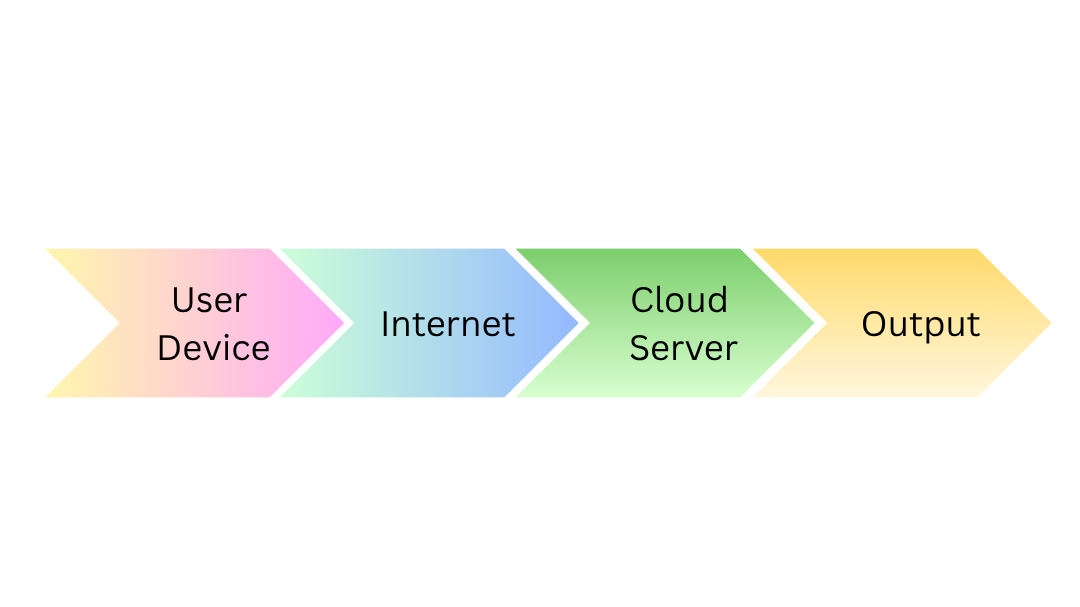
Example:
When you upload a photo to Google Drive, it is stored on a remote server instead of your device.
☁️ Types of Cloud Computing
Cloud computing is classified into three main types:
1. Public Cloud
- Available to the general public
- Managed by third-party providers
- Cost-effective
Examples:
- Google Cloud
- Microsoft Azure
2. Private Cloud
- Used by a single organization
- Provides better security and control
Used in:
- Banks
- Government organizations
3. Hybrid Cloud
- Combination of public and private cloud
- Offers flexibility and better performance
🧩 Types of Cloud Services
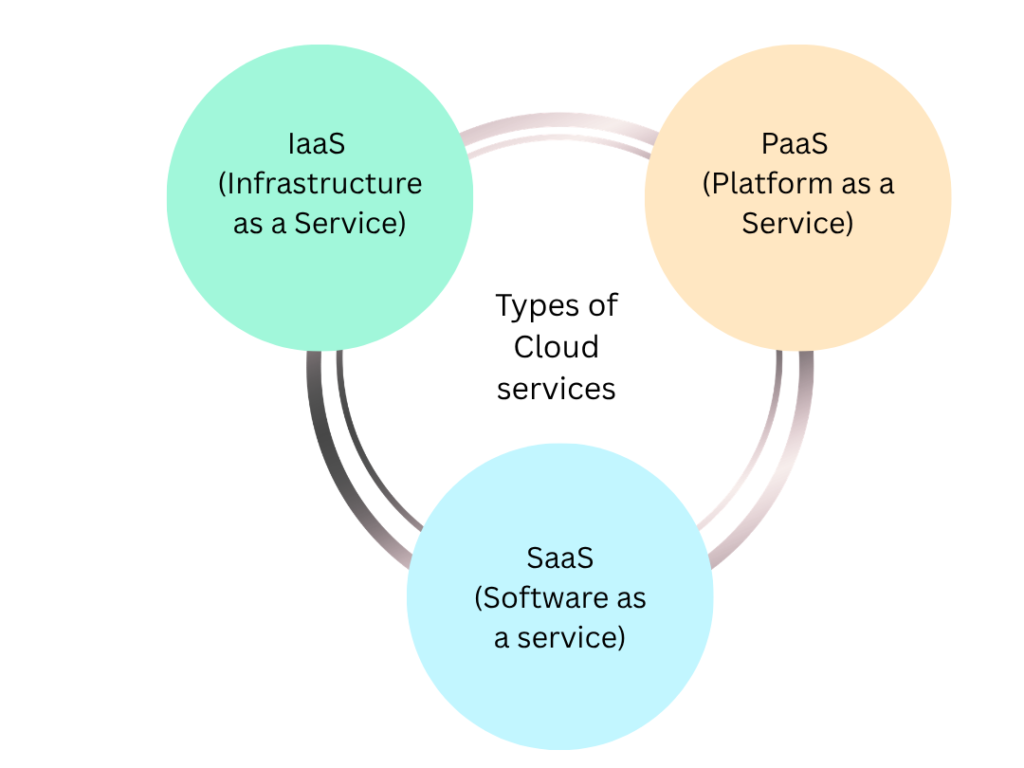
Cloud services are divided into three main categories:
1. IaaS (Infrastructure as a Service)
Provides virtual machines, storage, and networking resources.
2. PaaS (Platform as a Service)
Provides a platform for developers to build and deploy applications.
3. SaaS (Software as a Service)
Provides software applications over the internet.
Examples:
- Gmail
- Google Docs
- Dropbox
✅ Advantages of Cloud Computing
Cloud computing offers many benefits:
1. Accessibility
You can access data from anywhere in the world using the internet.
2. Cost-Effective
No need to buy expensive hardware or servers.
3. Scalability
You can increase or decrease resources as needed.
4. Data Backup and Recovery
Data is stored securely and can be recovered easily.
5. Automatic Updates
Cloud providers update software automatically.
6. Security
Provides data encryption and protection features.
❌ Disadvantages of Cloud Computing
Despite its advantages, cloud computing has some limitations:
- Requires internet connection
- Data privacy concerns
- Downtime issues
- Limited control over data
📊 Uses of Cloud Computing
Cloud computing is used in many fields:
- Data storage and backup
- Online applications
- Streaming services (Netflix, YouTube)
- Online education platforms
- Business operations
- Software development
- Cloud gaming
🌐 Real-Life Examples
- Google Drive – Cloud storage
- Dropbox – File sharing
- Netflix – Video streaming
- Zoom – Video conferencing
These services use cloud computing to deliver content and services efficiently.
🔐 Security in Cloud Computing
Cloud providers use advanced security techniques such as:
- Data encryption
- Firewalls
- Multi-factor authentication
- Access control
These measures help protect user data from unauthorized access.
📈 Future of Cloud Computing
Cloud computing is growing rapidly and will continue to expand in the future. Technologies like:
- Artificial Intelligence (AI)
- Machine Learning (ML)
- Big Data
are being integrated with cloud computing to improve performance and efficiency.
Businesses are increasingly moving to the cloud because it offers flexibility and scalability.
🧠 Why Cloud Computing is Important
Cloud computing is important because:
- It reduces IT costs
- Improves collaboration
- Enhances data security
- Provides remote access
- Supports innovation
It has become a backbone of modern digital services.
📌 Conclusion
Cloud computing is a powerful technology that allows users to store data and access applications over the internet. It eliminates the need for physical storage and provides flexibility, scalability, and cost savings. Cloud computing is widely used in business, education, and everyday life.
As technology continues to evolve, cloud computing will play an even more important role in shaping the future of digital services.