Software is an essential part of any computer system. Without software, hardware cannot function. It acts as a bridge between the user and the computer, allowing us to perform various tasks efficiently.
🧠 What is Software?
Software is a collection of programs and instructions that tell a computer what to do. It enables users to interact with hardware and perform specific tasks like writing documents, browsing the internet, or playing games.
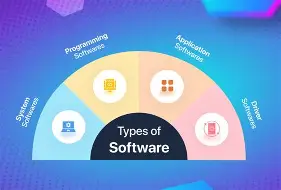
🖥️ Types
Software is a collection of programs and instructions that tell a computer what to do. It is mainly divided into three major types:
1. 🔧 System Software
System software acts as a bridge between hardware and user. It controls the internal operations of a computer.
✅ Examples:
- Operating Systems
- Device Drivers
- Utility Programs
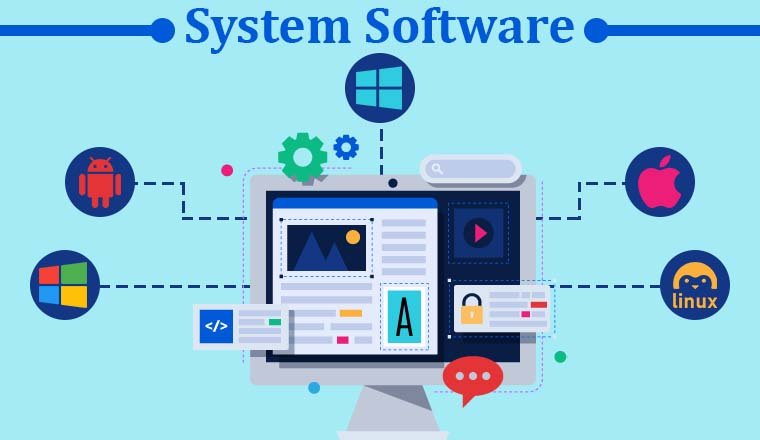
🔹 Main Types of System Software:
• Operating System (OS)
The OS is the most important software in a computer.
Examples:
- Microsoft Windows
- macOS
- Linux
Functions:
- Manages hardware (CPU, memory, storage)
- Runs applications
- Provides user interface
• Device Drivers
These help the computer communicate with hardware devices like printers, keyboards, etc.
• Utility Software
Utility programs help maintain and optimize the system.
Examples:
- Antivirus software
- Disk cleanup tools
- Backup software
2. 📱 Application Software
Application software is designed for end users to perform specific tasks.
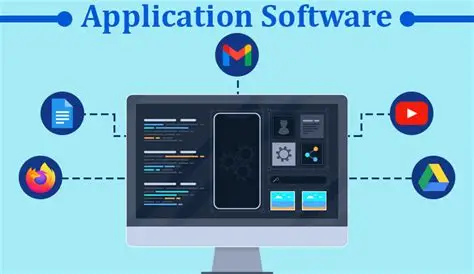
🔹 Types of Application Software:
• General Purpose Software
Used for everyday tasks.
Examples:
- Microsoft Word (documents)
- Microsoft Excel (data handling)
- Google Chrome (internet browsing)
• Specialized Software
Designed for specific industries or tasks.
Examples:
- AutoCAD (engineering design)
- Adobe Photoshop (photo editing)
• Web Applications
These run on browsers instead of being installed.
Examples:
- Gmail
- YouTube
3. 🧠 Programming Software
Programming software is used by developers to create other software.
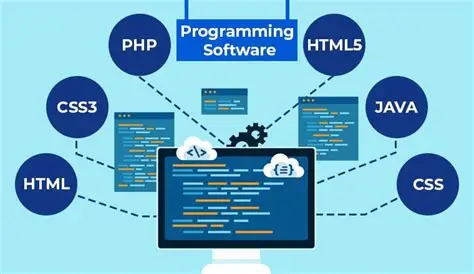
🔹 Examples:
- Visual Studio Code
- Eclipse
- Python
🔹 Functions:
- Writing code
- Debugging programs
- Testing applications
📊 Other Important Types of Software
🔸 1. Embedded Software
- Installed in hardware devices
- Works automatically
Examples:
- Washing machines
- Smart TVs
🔸 2. Open Source Software
- Free to use and modify
Examples:
- Linux
- LibreOffice
🔸 3. Proprietary Software
- Paid and owned by companies
Examples:
- Microsoft Office
- Adobe Premiere Pro
🔸 4. Cloud-Based Software
- Runs on the internet instead of local systems
Examples:
- Google Docs
- Dropbox
💻 Importance of Software
Software is the backbone of modern technology. Without software, hardware like computers, mobiles, and machines cannot function. It plays a vital role in almost every aspect of our daily life.
🔹 1. Makes Hardware Functional
Software gives instructions to hardware and tells it what to do.
- Without an operating system like Microsoft Windows or Linux, a computer is useless.
- It controls CPU, memory, and input/output devices.
👉 Simple Meaning: Hardware is the body, software is the brain.
🔹 2. Simplifies Daily Tasks
Software helps us perform tasks quickly and efficiently.
- Writing documents using Microsoft Word
- Calculations in Microsoft Excel
- Internet browsing through Google Chrome
👉 It saves time and effort in everyday work.
🔹 3. Boosts Productivity
Software increases speed and accuracy in work.
- Automation reduces manual effort
- Businesses use software for accounting, billing, and management
👉 Result: More work in less time.
🔹 4. Enables Communication
Software allows people to connect worldwide.
- Email through Gmail
- Video calls using Zoom
👉 Communication becomes fast, easy, and global.
🔹 5. Supports Education and Learning
Software plays a huge role in education.
- Online classes, e-books, and learning platforms
- Students can learn from anywhere
👉 Makes education accessible and flexible.
🔹 6. Drives Business and Economy
Modern businesses depend heavily on software.
- Inventory management
- Customer data handling
- Online transactions
👉 Software helps companies grow and compete.
🔹 7. Entertainment and Creativity
Software provides entertainment and creative tools.
- Watching videos on YouTube
- Editing photos using Adobe Photoshop
👉 It enhances creativity and relaxation.
🔹 8. Automation and Smart Technology
Software powers modern innovations like AI and automation.
- Smart homes
- Self-driving cars
- Robots in industries
👉 Makes life smarter and more efficient.
🔹 9. Data Management and Security
Software helps store, manage, and protect data.
- Databases store large information
- Antivirus software protects systems
👉 Ensures safety and organization of data.
📌 Examples of Software in Daily Life
- Mobile apps
- Online banking systems
- Social media platforms
- Educational tools
✅ Conclusion
Software is the backbone of modern computing. It allows users to interact with machines and perform meaningful tasks. Understanding software basics is essential for anyone using a computer today.
reference -> wikipedia