



In today’s digital world, cybersecurity has become more important than ever. From online banking and shopping to social media and remote work, almost every aspect of our lives depends on the internet. With this growing reliance on technology, the risk of cyber threats has also increased significantly. Cybersecurity is the practice of protecting systems, networks, and data from digital attacks, unauthorized access, and damage.
Understanding the term
Cybersecurity refers to a set of technologies, processes, and practices designed to safeguard digital systems and sensitive information. It ensures that data remains confidential, maintains its integrity, and is available when needed. These three principles—confidentiality, integrity, and availability—are often referred to as the CIA triad in cybersecurity.
Organizations, governments, and individuals all rely on cybersecurity to protect their digital assets. Without proper security measures, sensitive information such as passwords, financial records, and personal data can easily fall into the wrong hands.
Types of Cyber Threats

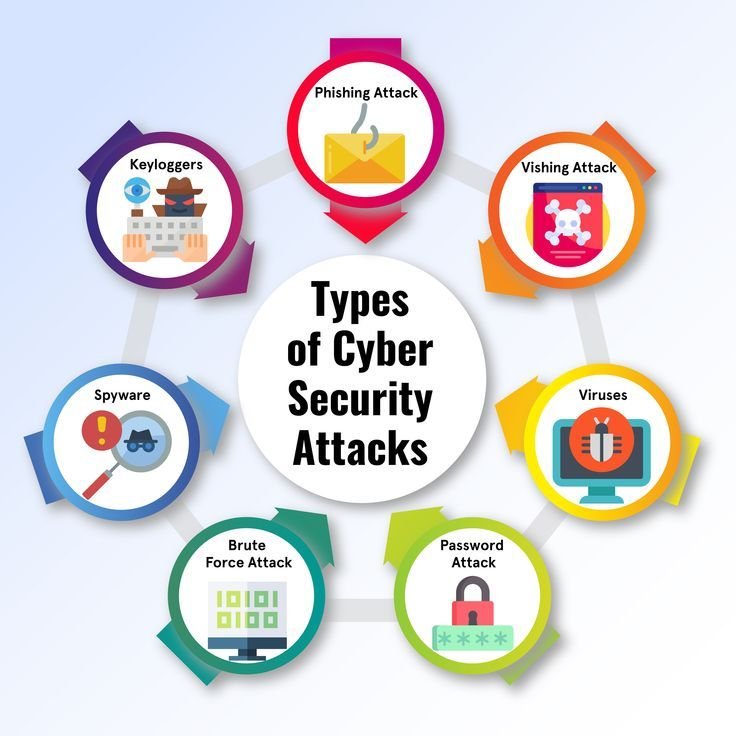
Cyber threats come in many forms, and understanding them is the first step toward protection.
One of the most common threats is malware. Malware includes viruses, worms, spyware, and ransomware. These malicious programs are designed to damage or disrupt systems, or to gain unauthorized access to data.
Phishing attacks are another major concern. In phishing, attackers send fake emails or messages that appear to come from trusted sources. The goal is to trick users into revealing sensitive information like passwords or credit card details.
Ransomware attacks have become increasingly common. In this type of attack, hackers lock or encrypt a user’s data and demand payment to restore access. These attacks can affect individuals as well as large organizations.
Distributed Denial-of-Service (DDoS) attacks aim to overwhelm a website or server with excessive traffic, causing it to crash or become unavailable. These attacks can disrupt businesses and online services.
Key Areas
Cybersecurity is a broad field that includes several specialized areas.
Network security focuses on protecting the integrity and usability of networks. It includes firewalls, intrusion detection systems, and secure network protocols.
Application security involves securing software and applications from vulnerabilities. Developers use various tools and practices to ensure that applications are safe from attacks.
Information security is concerned with protecting data from unauthorized access or modification. This includes encryption, access controls, and data backup strategies.
Cloud security has gained importance with the rise of cloud computing. It involves protecting data and applications stored in cloud environments.
Importance
Cybersecurity is essential for both individuals and organizations. For individuals, it protects personal information, financial data, and privacy. For businesses, it helps maintain customer trust, prevents financial losses, and ensures smooth operations.
Cyber attacks can have serious consequences, including data breaches, financial damage, and reputational loss. In some cases, they can even threaten national security. As a result, governments and organizations worldwide are investing heavily in cybersecurity measures.
Career Opportunities
Cybersecurity is one of the fastest-growing career fields in the world. As cyber threats continue to evolve, the demand for skilled professionals is increasing.
Some common roles in cybersecurity include security analyst, ethical hacker, penetration tester, and security engineer. These professionals work to identify vulnerabilities, prevent attacks, and respond to security incidents.
To build a career in cybersecurity, individuals often pursue certifications such as CompTIA Security+, Certified Ethical Hacker (CEH), and CISSP. These certifications validate skills and improve job prospects.
Tips to Stay Safe Online
While organizations implement advanced security systems, individuals also play a crucial role in maintaining cybersecurity. Here are some simple tips to stay safe online:
- Use strong and unique passwords for different accounts
- Enable two-factor authentication whenever possible
- Avoid clicking on suspicious links or attachments
- Keep your software and devices updated
- Use trusted antivirus and security tools
Conclusion
Cybersecurity is no longer optional—it is a necessity in the digital age. As technology continues to evolve, so do cyber threats. By understanding the basics of cybersecurity and adopting safe online practices, individuals and organizations can significantly reduce their risk.
Whether you are a student, a professional, or a business owner, investing time in learning about cybersecurity can help you stay protected in an increasingly connected world.