


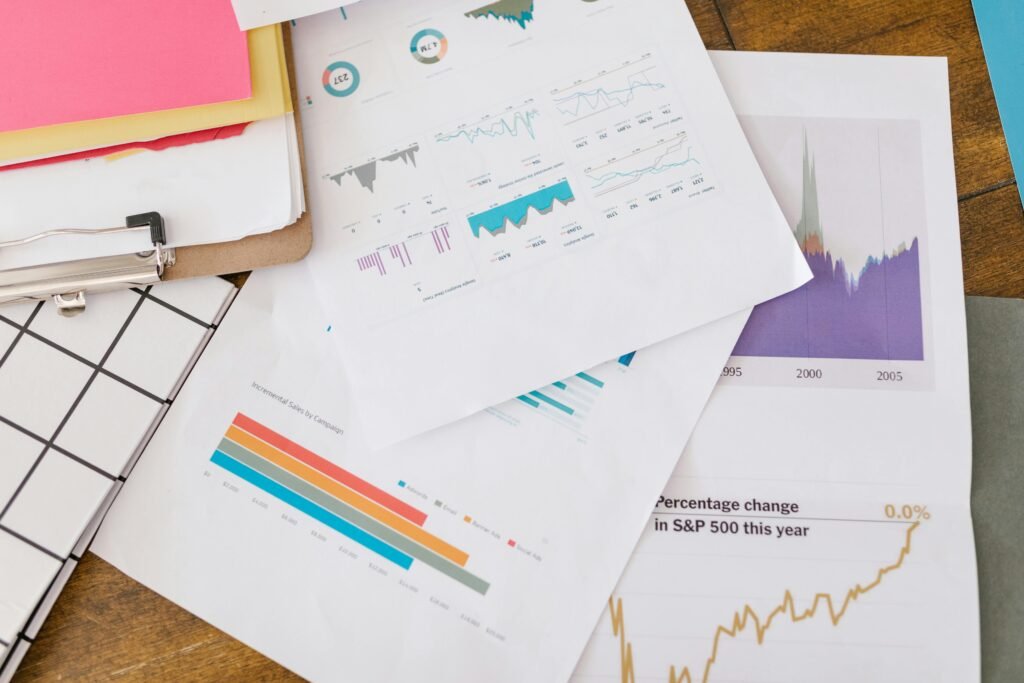
In the world of computers and information technology, the terms data and information are commonly used. Although they are closely related, they are not the same. Understanding the difference between data and information is important for students, professionals, and anyone who uses computers in daily life. Data is considered the raw material, while information is the finished product. Data becomes useful only after it is processed into meaningful information.
What is Data?
Data refers to raw facts and figures that are collected but not yet processed or organized. Data does not provide any meaningful insight on its own. It is simply a collection of values, numbers, text, symbols, or measurements.
Data can exist in different forms, such as:
- Numeric data (numbers)
- Text data (names, words)
- Alphanumeric data (mix of letters and numbers)
- Images and graphics
- Audio and video
- Symbols and signs
Examples of Data
- 45, 60, 75, 80
- Ankit, Rahul, Mohan
- 12/05/2026
- ₹5000, ₹7000, ₹9000
- Temperature readings: 25°C, 27°C, 29°C
All the above examples are just raw values. They do not provide meaningful insight unless they are processed.
Characteristics of Data
- Data is raw and unprocessed
- Data is not meaningful on its own
- Data is unorganized
- Data is used as input
- Data can be collected from multiple sources
For example, if you write marks of students like 65, 70, 85, 90, this is only data. It does not tell you who scored highest or what the average is.
What is Information?
Information is processed and organized data that has meaning and value. When data is analyzed, structured, and interpreted, it becomes information. Information helps in decision-making and understanding situations clearly.
Examples of Information
- The average marks of the class is 78
- Rahul scored the highest marks
- Total monthly sales = ₹50,000
- Attendance percentage = 90%
- Weather is hot today based on temperature data
These examples provide meaning and help us understand something useful.
Characteristics of Information
- Information is meaningful
- Information is processed data
- Information is organized and structured
- Information is used for decision making
- Information is the output of data processing
Information is more valuable than data because it helps people take actions and make decisions.
Difference Between Data and Information
| Data | Information |
|---|---|
| Raw facts and figures | Processed data |
| Not meaningful | Meaningful |
| Unorganized | Organized |
| Used as input | Used as output |
| No context | Has context |
| Large volume | Smaller, refined |
| Example: 50, 60, 70 | Example: Average = 60 |
Example to Understand Data and Information
Let’s understand with a simple example.
Data
Student marks: 55, 65, 75, 85
This is just raw data.
Processing
- Calculate average
- Find highest marks
- Find lowest marks
Information
- Average marks = 70
- Highest marks = 85
- Lowest marks = 55
Now the data becomes useful information.
Relationship Between Data and Information
Data and information are closely connected. Data is the starting point, and information is the result.
Data → Processing → Information
This process may involve:
- Sorting
- Calculating
- Filtering
- Analyzing
- Organizing
For example:
Sales Data: ₹1000, ₹2000, ₹1500
Processing: Add values
Information: Total Sales = ₹4500
Types of Data
Data can be categorized into different types:
1. Qualitative Data
This type of data describes qualities or characteristics.
Examples:
- Color: Red, Blue, Green
- Names: Rahul, Ankit
- Gender: Male, Female
2. Quantitative Data
This type of data involves numbers and measurements.
Examples:
- Age: 20, 25, 30
- Marks: 75, 80, 90
- Price: ₹100, ₹200
Importance of Data and Information
Data and information play an important role in various fields:
Business
Companies collect sales data to generate reports and make decisions.
Education
Schools use student marks data to prepare results.
Healthcare
Hospitals collect patient data to provide diagnosis and treatment.
Banking
Banks use transaction data to generate account statements.
Government
Governments collect population data to make policies.
Real-Life Example
Imagine a shop owner records daily sales:
Monday – ₹5000
Tuesday – ₹6000
Wednesday – ₹7000
This is data.
After processing:
Total weekly sales = ₹18,000
Average sales = ₹6000
This becomes information.
Now the shop owner can make decisions based on this information.
Conclusion
Data and information are both essential in computing and decision-making. Data consists of raw facts and figures, while information is processed data that provides meaning and value. Data alone is not useful until it is organized and analyzed. Information helps individuals and organizations understand situations and make better decisions.
In simple terms, data is the input and information is the output. Without data, information cannot exist, and without processing, data cannot become information. Both work together to support effective communication, analysis, and decision-making in everyday life.
links -> Computer Fundamentals
references: wikipedia